Travel & Abroad

Travel & Abroad

Travel English

Learn practical English for airports, hotels, transport, and everyday situations while traveling or living abroad.


People chatting around a table in a busy cafe.

Total Levels

3 Levels (Beginner → Intermediate)

Total Levels

3 Levels (Beginner → Intermediate)

Duration

12 weeks per level (3 classes / week)

Duration

12 weeks per level (3 classes / week)

Class Format

100% Online · Max 8 Students

Class Format

100% Online · Max 8 Students

Lesson Duration

60 min / lesson

Lesson Duration

60 min / lesson

pattern decoration

Course Levels

Course Level Roadmap

See how this course progresses from one level to the next.

01

Beginner

Approx. CEFR A1

Use essential phrases for arrivals, directions, food, and simple requests while traveling.

01

Beginner

Approx. CEFR A1

Use essential phrases for arrivals, directions, food, and simple requests while traveling.

02

Elementary

Approx. CEFR A2

Manage routine travel exchanges, ask follow-up questions, and explain straightforward problems abroad.

02

Elementary

Approx. CEFR A2

Manage routine travel exchanges, ask follow-up questions, and explain straightforward problems abroad.

03

Intermediate

Approx. CEFR B1

Navigate unexpected situations, describe concerns clearly, and converse more independently while traveling or living abroad.

03

Intermediate

Approx. CEFR B1

Navigate unexpected situations, describe concerns clearly, and converse more independently while traveling or living abroad.

When you contact Jave, you’ll take a free 15-minute level test. Jave will use your result to place you in the level that best matches your current English. Each level takes about 3 months to complete.

pattern decoration

COURSE LEVEL DETAILS

See what you’ll learn at each level

Beginner

For learners who

You know little English or rely on a few memorized phrases when you travel.

Entry requirement

No prior English required.

You’ll work on

  • Airports, check-in, and basic transport

  • Hotels and simple accommodation requests

  • Ordering food and asking about prices

  • Directions, signs, and asking for help

  • Short travel conversations and clear pronunciation

After this level

  • Manage straightforward travel tasks, ask basic questions, and understand common replies with less translation.

Class Info

12 weeks · 36 lessons · 3 lessons / week

Price: $240

Build useful language to give your name, destination, and booking details.

Practice listening and responding as you give your name, destination, and booking details.

Use the week's language to give your name, destination, and booking details; review your feedback.

Build useful language to ask about bags, seats, and boarding passes.

Practice listening and responding as you ask about bags, seats, and boarding passes.

Use the week's language to ask about bags, seats, and boarding passes; review your feedback.

Build useful language to understand simple instructions and gate announcements.

Practice listening and responding as you understand simple instructions and gate announcements.

Use the week's language to understand simple instructions and gate announcements; review your feedback.

Build useful language to answer common arrival questions clearly.

Practice listening and responding as you answer common arrival questions clearly.

Use the week's language to answer common arrival questions clearly; review your feedback.

Build useful language to ask where to catch a bus, train, or taxi.

Practice listening and responding as you ask where to catch a bus, train, or taxi.

Use the week's language to ask where to catch a bus, train, or taxi; review your feedback.

Build useful language to confirm a reservation and ask about facilities.

Practice listening and responding as you confirm a reservation and ask about facilities.

Use the week's language to confirm a reservation and ask about facilities; review your feedback.

Build useful language to find places using simple location language.

Practice listening and responding as you find places using simple location language.

Use the week's language to find places using simple location language; review your feedback.

Build useful language to buy a ticket and check the correct stop.

Practice listening and responding as you buy a ticket and check the correct stop.

Use the week's language to buy a ticket and check the correct stop; review your feedback.

Build useful language to read a simple menu and place an order.

Practice listening and responding as you read a simple menu and place an order.

Use the week's language to read a simple menu and place an order; review your feedback.

Build useful language to ask about price, size, and payment.

Practice listening and responding as you ask about price, size, and payment.

Use the week's language to ask about price, size, and payment; review your feedback.

Build useful language to explain a simple travel problem and request assistance.

Practice listening and responding as you explain a simple travel problem and request assistance.

Use the week's language to explain a simple travel problem and request assistance; review your feedback.

Build useful language to complete a connected airport-to-hotel travel role-play.

Practice listening and responding as you complete a connected airport-to-hotel travel role-play.

Use the week's language to complete a connected airport-to-hotel travel role-play; review your feedback.

Elementary

For learners who

You can manage simple travel tasks and want more confidence when plans change.

Entry requirement

Can use basic English for routine travel needs; approx. CEFR A1.

You’ll work on

  • Changing bookings and explaining preferences

  • Using local transport and planning routes

  • Shopping, dining, and social small talk

  • Describing lost items or minor problems

  • Listening to announcements and follow-up questions

After this level

  • Make practical travel arrangements, explain common problems, and keep conversations going in familiar settings.

Class Info

12 weeks · 36 lessons · 3 lessons / week

Price: $240

Build useful language to ask about a new departure time and possible fees.

Practice listening and responding as you ask about a new departure time and possible fees.

Use the week's language to ask about a new departure time and possible fees; review your feedback.

Build useful language to describe missing belongings and follow instructions.

Practice listening and responding as you describe missing belongings and follow instructions.

Use the week's language to describe missing belongings and follow instructions; review your feedback.

Build useful language to compare rooms, facilities, and location.

Practice listening and responding as you compare rooms, facilities, and location.

Use the week's language to compare rooms, facilities, and location; review your feedback.

Build useful language to request a change and explain a room problem politely.

Practice listening and responding as you request a change and explain a room problem politely.

Use the week's language to request a change and explain a room problem politely; review your feedback.

Build useful language to compare routes, costs, and opening times.

Practice listening and responding as you compare routes, costs, and opening times.

Use the week's language to compare routes, costs, and opening times; review your feedback.

Build useful language to follow announcements about delays or platform changes.

Practice listening and responding as you follow announcements about delays or platform changes.

Use the week's language to follow announcements about delays or platform changes; review your feedback.

Build useful language to ask about ingredients and make dietary requests.

Practice listening and responding as you ask about ingredients and make dietary requests.

Use the week's language to ask about ingredients and make dietary requests; review your feedback.

Build useful language to exchange recommendations and keep a short chat going.

Practice listening and responding as you exchange recommendations and keep a short chat going.

Use the week's language to exchange recommendations and keep a short chat going; review your feedback.

Build useful language to ask questions about tours and confirm arrangements.

Practice listening and responding as you ask questions about tours and confirm arrangements.

Use the week's language to ask questions about tours and confirm arrangements; review your feedback.

Build useful language to describe symptoms and understand simple advice.

Practice listening and responding as you describe symptoms and understand simple advice.

Use the week's language to describe symptoms and understand simple advice; review your feedback.

Build useful language to explain a charge or card issue and request a solution.

Practice listening and responding as you explain a charge or card issue and request a solution.

Use the week's language to explain a charge or card issue and request a solution; review your feedback.

Build useful language to manage several connected travel changes in a role-play.

Practice listening and responding as you manage several connected travel changes in a role-play.

Use the week's language to manage several connected travel changes in a role-play; review your feedback.

Intermediate

For learners who

You travel independently in routine situations and want to handle the unexpected abroad.

Entry requirement

Can manage common travel exchanges and explain simple problems; approx. CEFR A2.

You’ll work on

  • Resolving delays, complaints, and booking errors

  • Explaining health or safety concerns

  • Discussing local experiences and recommendations

  • Understanding varied accents and less predictable replies

  • Living abroad: services, neighbors, and everyday admin

After this level

  • Adapt to unfamiliar travel situations, resolve problems politely, and communicate with greater independence abroad.

Class Info

12 weeks · 36 lessons · 3 lessons / week

Price: $240

Build useful language to weigh connections, timing, and travel trade-offs.

Practice listening and responding as you weigh connections, timing, and travel trade-offs.

Use the week's language to weigh connections, timing, and travel trade-offs; review your feedback.

Build useful language to discuss alternatives when plans are disrupted.

Practice listening and responding as you discuss alternatives when plans are disrupted.

Use the week's language to discuss alternatives when plans are disrupted; review your feedback.

Build useful language to explain evidence, propose options, and agree next steps.

Practice listening and responding as you explain evidence, propose options, and agree next steps.

Use the week's language to explain evidence, propose options, and agree next steps; review your feedback.

Build useful language to identify key details in natural public announcements.

Practice listening and responding as you identify key details in natural public announcements.

Use the week's language to identify key details in natural public announcements; review your feedback.

Build useful language to clarify multi-step directions and local advice.

Practice listening and responding as you clarify multi-step directions and local advice.

Use the week's language to clarify multi-step directions and local advice; review your feedback.

Build useful language to ask about banking, utilities, and appointments.

Practice listening and responding as you ask about banking, utilities, and appointments.

Use the week's language to ask about banking, utilities, and appointments; review your feedback.

Build useful language to join conversations and respond to cultural differences.

Practice listening and responding as you join conversations and respond to cultural differences.

Use the week's language to join conversations and respond to cultural differences; review your feedback.

Build useful language to give a clear account of events and ask for urgent help.

Practice listening and responding as you give a clear account of events and ask for urgent help.

Use the week's language to give a clear account of events and ask for urgent help; review your feedback.

Build useful language to state a case and negotiate a fair resolution.

Practice listening and responding as you state a case and negotiate a fair resolution.

Use the week's language to state a case and negotiate a fair resolution; review your feedback.

Build useful language to compare rules, routes, and practical constraints.

Practice listening and responding as you compare rules, routes, and practical constraints.

Use the week's language to compare rules, routes, and practical constraints; review your feedback.

Build useful language to rephrase information and coordinate a shared plan.

Practice listening and responding as you rephrase information and coordinate a shared plan.

Use the week's language to rephrase information and coordinate a shared plan; review your feedback.

Build useful language to handle a disrupted multi-day trip independently.

Practice listening and responding as you handle a disrupted multi-day trip independently.

Use the week's language to handle a disrupted multi-day trip independently; review your feedback.

pattern decoration

Student Reviews

After this course

Personal feedback about what changed after completing a course or level.
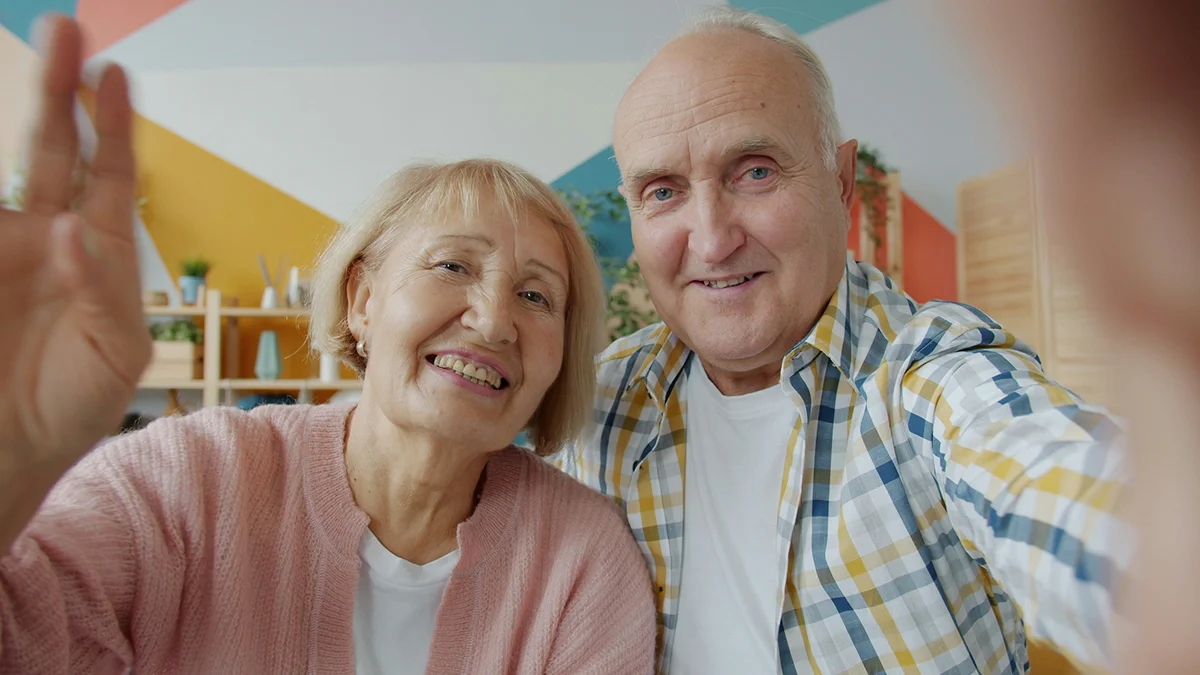
  • An older couple smiling and waving toward the camera.

    I managed the hotel check-in myself.

    On earlier trips, I let my partner do all the talking. We practiced check-in questions and asking about breakfast and luggage storage in class. On our next trip, I handled those conversations myself. I needed the receptionist to speak more slowly once, but I knew how to ask.

    Lora Thebaut

    Travel English · Beginner

  • A man joining a video call with two people on a laptop.

    I knew what to ask at the airport.

    The airport role-plays were the most useful part for me. I learned to ask which queue to join and check whether my bag could go in the cabin. When a gate changed on my trip, I could confirm where to go instead of just following other passengers.

    Lucas Ferreira

    Travel English · Elementary

  • A woman speaking and gesturing during a laptop video call.

    Getting around was less stressful.

    I wanted practical English for traveling alone, especially on buses and trains. Practicing directions helped me check the stop, understand a simple route, and ask another question when I wasn't sure. I also felt comfortable checking ingredients at a restaurant rather than pointing at the menu and hoping.

    Sofia Martin

    Travel English · Intermediate

  • An older couple smiling and waving toward the camera.

    I managed the hotel check-in myself.

    On earlier trips, I let my partner do all the talking. We practiced check-in questions and asking about breakfast and luggage storage in class. On our next trip, I handled those conversations myself. I needed the receptionist to speak more slowly once, but I knew how to ask.

    Lora Thebaut

    Travel English · Beginner

  • A man joining a video call with two people on a laptop.

    I knew what to ask at the airport.

    The airport role-plays were the most useful part for me. I learned to ask which queue to join and check whether my bag could go in the cabin. When a gate changed on my trip, I could confirm where to go instead of just following other passengers.

    Lucas Ferreira

    Travel English · Elementary

  • A woman speaking and gesturing during a laptop video call.

    Getting around was less stressful.

    I wanted practical English for traveling alone, especially on buses and trains. Practicing directions helped me check the stop, understand a simple route, and ask another question when I wasn't sure. I also felt comfortable checking ingredients at a restaurant rather than pointing at the menu and hoping.

    Sofia Martin

    Travel English · Intermediate

  • An older couple smiling and waving toward the camera.

    I managed the hotel check-in myself.

    On earlier trips, I let my partner do all the talking. We practiced check-in questions and asking about breakfast and luggage storage in class. On our next trip, I handled those conversations myself. I needed the receptionist to speak more slowly once, but I knew how to ask.

    Lora Thebaut

    Travel English · Beginner

  • A man joining a video call with two people on a laptop.

    I knew what to ask at the airport.

    The airport role-plays were the most useful part for me. I learned to ask which queue to join and check whether my bag could go in the cabin. When a gate changed on my trip, I could confirm where to go instead of just following other passengers.

    Lucas Ferreira

    Travel English · Elementary

  • A woman speaking and gesturing during a laptop video call.

    Getting around was less stressful.

    I wanted practical English for traveling alone, especially on buses and trains. Practicing directions helped me check the stop, understand a simple route, and ask another question when I wasn't sure. I also felt comfortable checking ingredients at a restaurant rather than pointing at the menu and hoping.

    Sofia Martin

    Travel English · Intermediate

pattern decoration

COURSE FAQ

Questions about this course

Common questions about what you’ll learn, and what to expect before you join.

pattern decoration

WHAT YOU GET

Why learn with Jave?

A learner at a laptop asking for directions.

01

A clear starting point

Jave uses the test result to recommend the best place for you to start, so you begin at the right level with a clear direction.
A learner waving to a teacher on a laptop video call.

02

Small classes, more attention

Group classes stay small so you have enough time to speak, ask questions, practice with other learners, and still receive direct feedback from Jave during the lesson.

A learner checking skills, goals, lessons, and next steps in a study plan.

03

A structured learning plan

Every level follows a clear syllabus with specific skills and lesson goals, so you always know what you’re learning now, what you’re building toward, and what comes next.

A learner practicing pronunciation while wearing headphones.

04

More time actually using English

Lessons are built around active practice rather than long explanations. You’ll speak, listen, respond, solve tasks, and use new language repeatedly until it becomes easier to use naturally.

A learner receiving encouraging feedback during an online lesson.

05

Feedback you can use right away

I’ll point out the mistakes that matter most, explain why they happen, and show you clearer or more natural ways to express yourself so you know exactly what to improve.

A learner climbing steps toward a flag.

06

Progress from one level to the next

As you complete each level, we review what has improved and what still needs work before moving forward, so your progress stays connected instead of feeling like separate lessons.

pattern decoration

A TYPICAL LESSON

What a 60-minute lesson looks like.

Most lessons follow a simple structure like this. The balance may change depending on your course, level, and what we need to focus on that day.

Review & warm-up

Review previous work, questions, and anything that needs more practice.

10 Min

Learn & understand

Work on new language, skills, examples, or course-specific strategies.

20 Min

Practice & apply

Use what you’ve learned through speaking, exercises, tasks, role-play, or exam-style practice.

25 Min

Feedback & next steps

Review key corrections and know what to focus on before your next lesson.

5 Min

pattern decoration

HOW TO GET STARTED

Starting is simple.

pattern decoration

Step 1

Tell Jave what you need

A learner speaking with a teacher on a laptop video call.
pattern decoration

Step 2

Take the free level test

A learner taking an English test beside vocabulary, grammar, and reading books.
pattern decoration

Step 3

Choose your class based on your level

A learner choosing a class time from an online schedule.
pattern decoration

Step 4

Confirm, pay, and start

A smiling learner waving at a laptop as a lesson begins.
pattern decoration

HOW TO GET STARTED

Starting is simple.

pattern decoration

Step 1

Tell Jave what you need

A learner speaking with a teacher on a laptop video call.
pattern decoration

Step 2

Take the free level test

A learner taking an English test beside vocabulary, grammar, and reading books.
pattern decoration

Step 3

Choose your class based on your level

A learner choosing a class time from an online schedule.
pattern decoration

Step 4

Confirm, pay, and start

A smiling learner waving at a laptop as a lesson begins.
pattern decoration

HOW TO GET STARTED

Starting is simple.

pattern decoration

Step 1

Tell Jave what you need

A learner speaking with a teacher on a laptop video call.
pattern decoration

Step 2

Take the free level test

A learner taking an English test beside vocabulary, grammar, and reading books.
pattern decoration

Step 3

Choose your class based on your level

A learner choosing a class time from an online schedule.
pattern decoration

Step 4

Confirm, pay, and start

A smiling learner waving at a laptop as a lesson begins.

Other courses you might like

Two women talking over drinks at a cafe table.

Speaking & Listening

Everyday Conversation English

Focus on speaking, listening, and pronunciation so you can handle everyday conversations more naturally.

Course Levels

5 Levels (Starter → Advanced)

Duration

12 weeks per level (3 classes / week)

Class Format

100% Online · Max 8 Students

Starting Level

No English required

From $280 / level

Two women talking over drinks at a cafe table.

Speaking & Listening

Everyday Conversation English

Focus on speaking, listening, and pronunciation so you can handle everyday conversations more naturally.

From $280 / level

Two women talking over drinks at a cafe table.

Speaking & Listening

Everyday Conversation English

Focus on speaking, listening, and pronunciation so you can handle everyday conversations more naturally.

Course Levels

5 Levels (Starter → Advanced)

Duration

12 weeks per level (3 classes / week)

Class Format

100% Online · Max 8 Students

Starting Level

No English required

From $280 / level

A video call screen showing a smiling woman and Jave Carter.
pattern decoration

LET’S TALK

Not sure where to start? Just ask.

Tell me what you want to improve, and I’ll help you choose the right course, starting level, and learning format.

A video call screen showing a smiling woman and Jave Carter.
pattern decoration

LET’S TALK

Not sure where to start? Just ask.

Tell me what you want to improve, and I’ll help you choose the right course, starting level, and learning format.

A video call screen showing a smiling woman and Jave Carter.
pattern decoration

LET’S TALK

Not sure where to start? Just ask.

Tell me what you want to improve, and I’ll help you choose the right course, starting level, and learning format.

Get Template - Free

Create a free website with Framer, the website builder loved by startups, designers and agencies.